Padel Court Boom 2026: Why the World Is Racing to Build Courts — and What It Means for Your Club
Padel is no longer an emerging sport — it is a global construction boom. Here are the numbers, the markets, and what every club investor should know before joining the race.
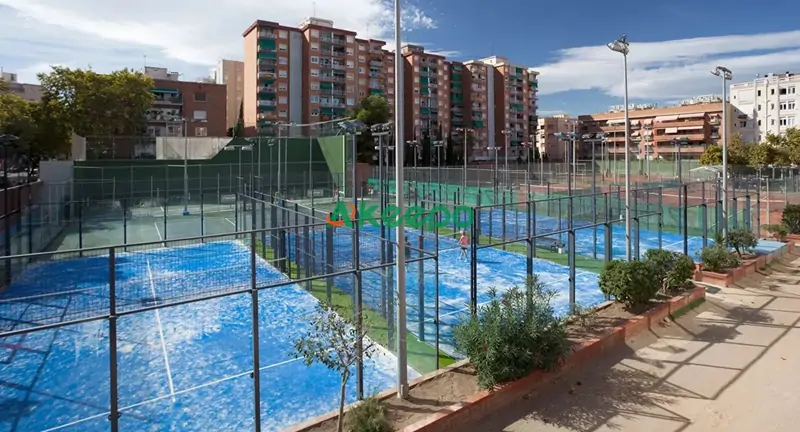
Padel is no longer an emerging sport — it is a global construction boom. In January 2026 alone, the search term "padel" generated an estimated 13 million searches on Google, while long-tail queries like "padel courts" climbed past 155,000 monthly searches in the UK market alone. Behind those numbers sits a very physical reality: planning applications for new padel courts in the UK surged 113%, rising from just 51 applications in 2021 to 544 in 2025. And the UK is only one chapter of the story.
From Niche to Mainstream: The Numbers Behind the Boom
The international racquet industry now counts more than 50 million padel players across 90+ countries. The FIP (International Padel Federation) reports that a new padel court is being installed somewhere in the world roughly every hour and a half. Sweden, Spain and Italy remain the mature strongholds, but the fastest growth has shifted to new territories:
- The Gulf — Saudi Arabia and the UAE are building padel courts in malls, resorts and five-a-side football centers, backed by large public-private sports programs.
- The United States — padel is following the playbook pickleball used in 2021–2023: celebrity-backed clubs, indoor chains, and university programs.
- Africa & Southeast Asia — first-mover clubs in Egypt, Kenya, Morocco, Vietnam and Indonesia report near-full booking rates within weeks of opening.
For investors, the message is consistent across every market: demand arrived before the courts did. Occupancy is rarely the problem — supply is.
Why Courts Are the Bottleneck (and the Opportunity)
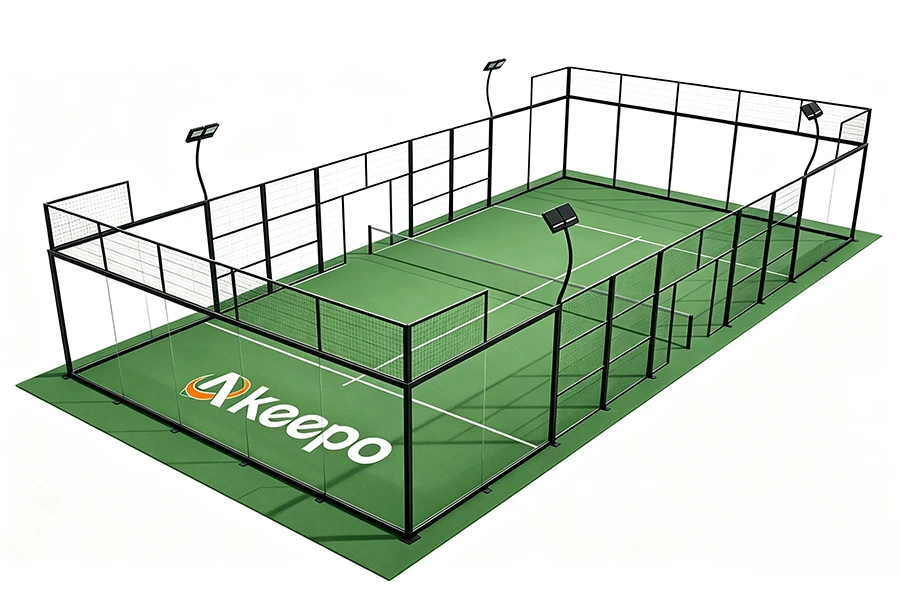
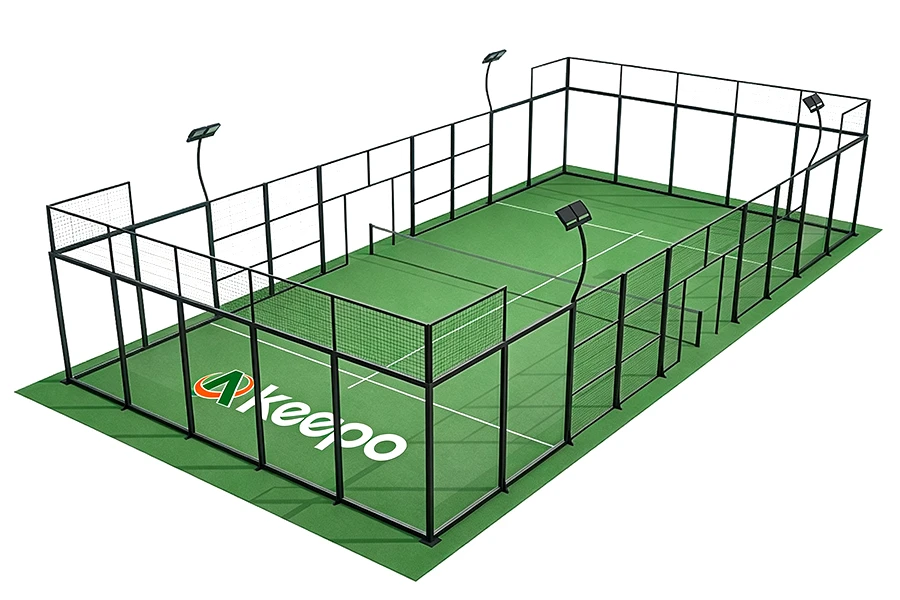
Unlike tennis or football, padel is almost impossible to play without purpose-built infrastructure: 20m × 10m courts fully enclosed by 10–12mm tempered glass walls and welded steel mesh. That makes every new player a potential court buyer — a club, a hotel, a school, or a private villa owner.
This is exactly where the supply chain is being tested. Leading manufacturers such as Akeepo have reported a sharp rise in export inquiries from non-traditional padel markets, with buyers asking the same three questions:
- What does a full padel court cost, delivered and installed?
- Which court model fits my site — panoramic, full panorama, or classic?
- How long does the whole project take, from order to first serve?
These are the right questions — and they are rarely answered clearly online. That gap is the reason for this daily series.
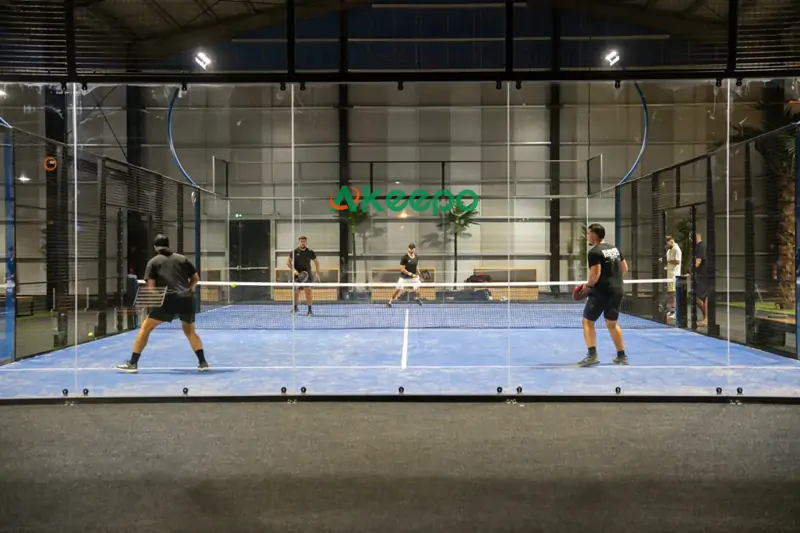
A padel court is best understood as a small engineering project. A standard court bundles roughly 6–7 tons of galvanized steel, 13–15 tempered glass panels (each up to 300 kg), LED floodlighting, artificial turf, and a drainage-ready foundation. Quality differences that are invisible on day one — steel wall thickness, welding consistency, glass edge treatment, UV-stable turf — show up within 12–24 months as rust, glass breakage and turf shedding.
This is why experienced club owners now treat the manufacturer selection as seriously as the location itself. A court that costs 15% more upfront but avoids a glass replacement and a two-week closure in year two is, mathematically, the cheaper court.
Back to News Start Your ProjectRecommended Products